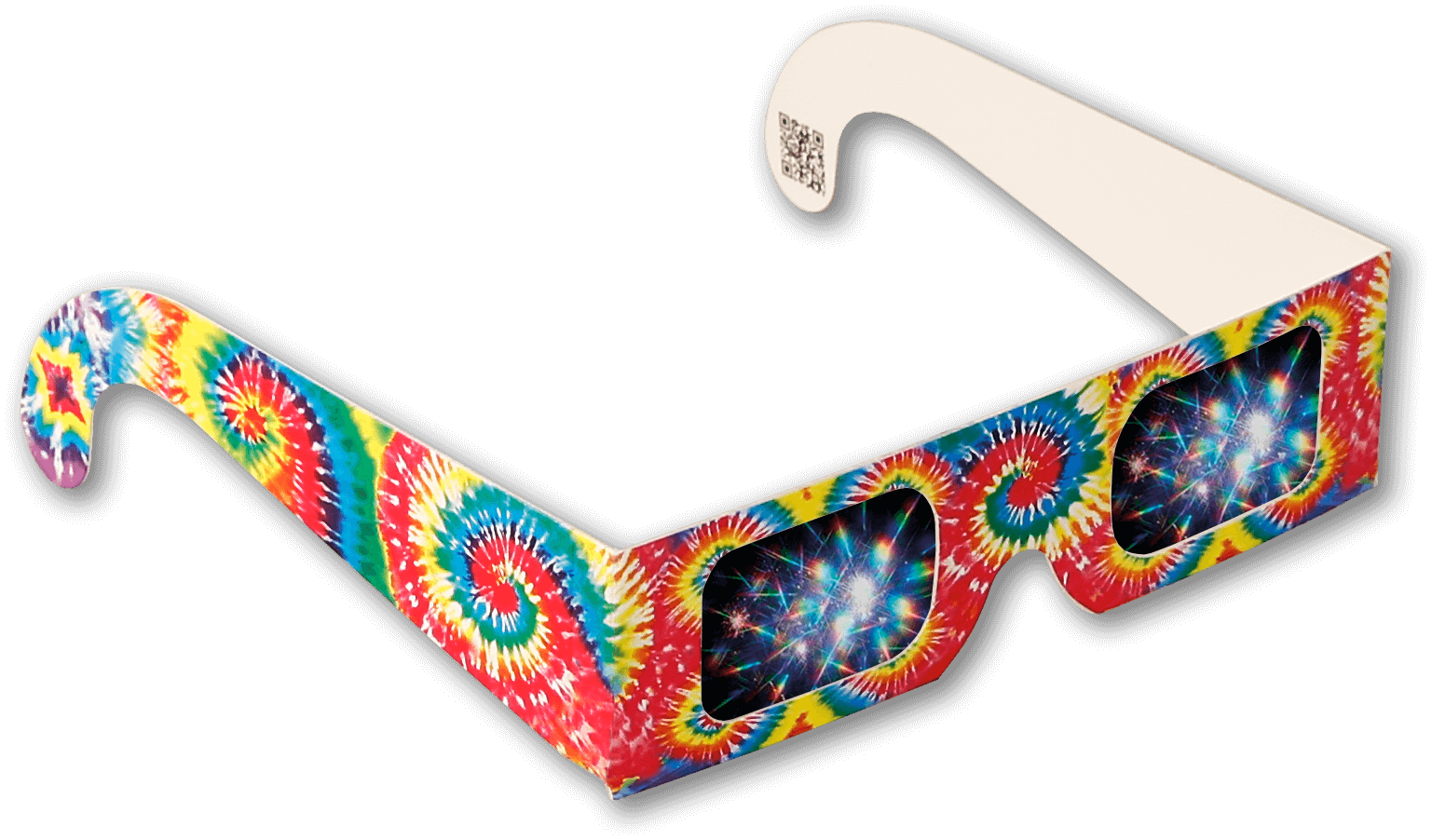
Fireworks Glasses
Rainbow burst galore


Create a burst of color in any room


Make sure you’re safely covered


Rainbow burst galore

Just hang 'em in a sunny window


Learn how light and color come together


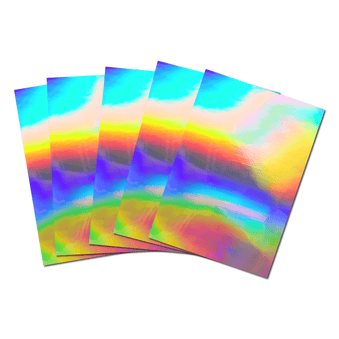
Holographic Sticker Material - Craft Film for Cricut and Silhouette - 12"x18" Sheets - 5 Pack
$9.99
View Detail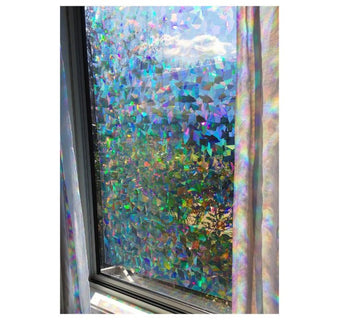
Holographic Suncatcher Rainbow Window Film - Five Patterns to Choose From!
$17.95
View Detail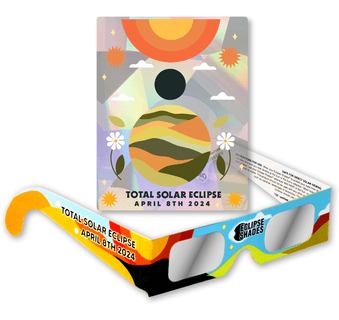

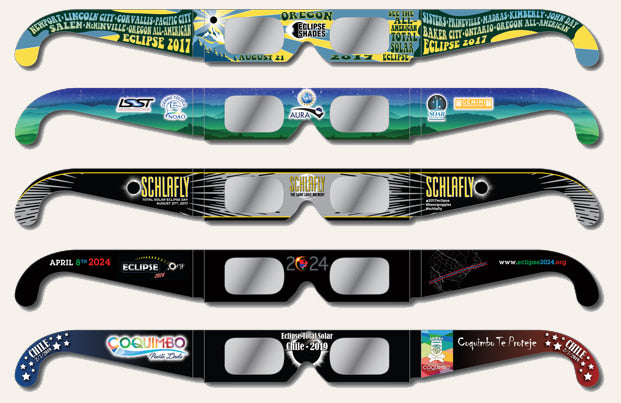
To ensure all the devices at Rainbow Symphony are completely safe for eclipse viewing, we meet the Standard for ISO 12312-2:2015, are backed by the American Astronomical Society, and we include added features like scratch resistant lenses with an optical density over 5.
Choose from a variety of products including:
CREDIT: @morgasmplz

CREDIT: @MORGASMPLZ

Customizable

Bulk Pricing

Worldwide Shipping

Science/Education-focused

ISO and CE Certified

Operating for 40+ years







Shop at our eclipse store! Unfortunately, many eclipse glasses out there have not been properly lab-tested, and some are even completely fake. Buying your eclipse glasses from a reputable source is crucial. Since the ‘90s, we’ve been working with the major safety organizations to develop and manufacture the world’s safest eclipse glasses and increase safety standards.
Our custom sticker store can do it all! If you need help with your design, our amazing graphics team will work with you to create the perfect suncatcher, vinyl, or holographic stickers for your business or event. Visit our DIY Decal store to place your order!
No, solar eclipse glasses are for eyes only and aren’t safe to use with any sort of device. Use our solar filters with binoculars, telescopes, and cameras.
We’re known for our rapid turnaround times. Our experienced experts can finish your custom solar eclipse eyewear, stickers, magnets, suncatchers, and other Rainbow Symphony products in just about 7-10 business days.
Here at Rainbow Symphony, we make all of our custom products in-house in Los Angeles, California.
Yes, we offer international shipping!
Absolutely! Contact us to inquire about special distributor pricing for holographic stickers, eclipse glasses, and other custom items.
OUR FRIENDS ARE CREATING RAINBOW MAGIC :)